

Neurology &
Sleep Services
Comprehensive diagnostic testing, treatment, and care for neurological and sleep-related conditions.
Our Services
Neurology Diagnostic Testing
Routine EEG • At-home EEG • In-office Overnight EEG • Visual Evoked Potential
Sleep Testing & Care
Home Sleep Apnea Test • Sleep
Lab Study
Headache / Migraine Procedures
Occipital & peripheral facial nerve blocks • Trigger Point Injection • Botox for chronic migraine • TMJ Botox
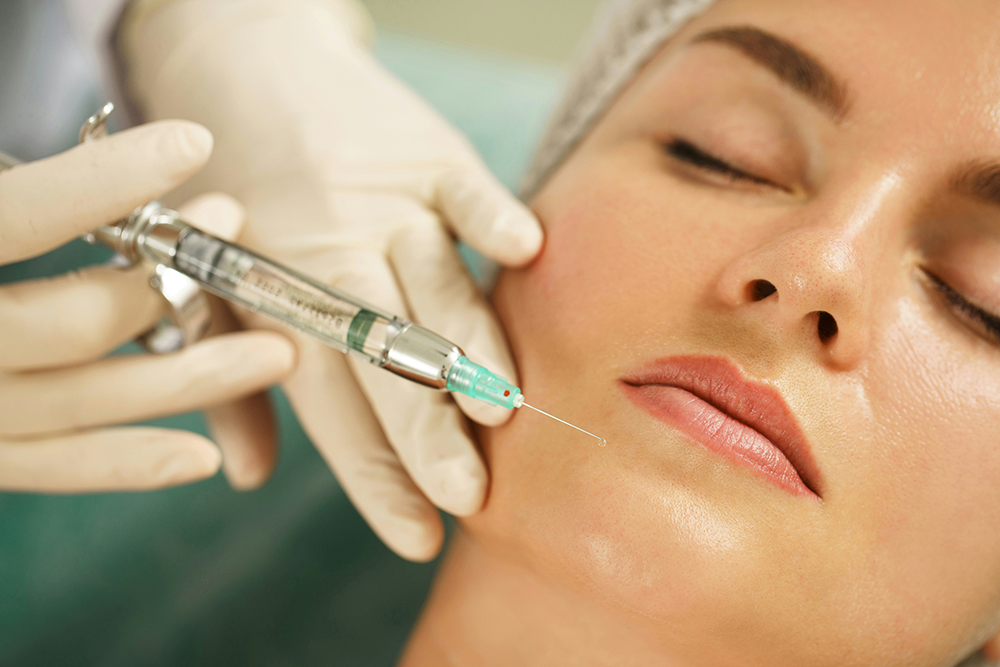
Cosmetic Botox
Cosmetic neuromodulator treatment • Self-pay
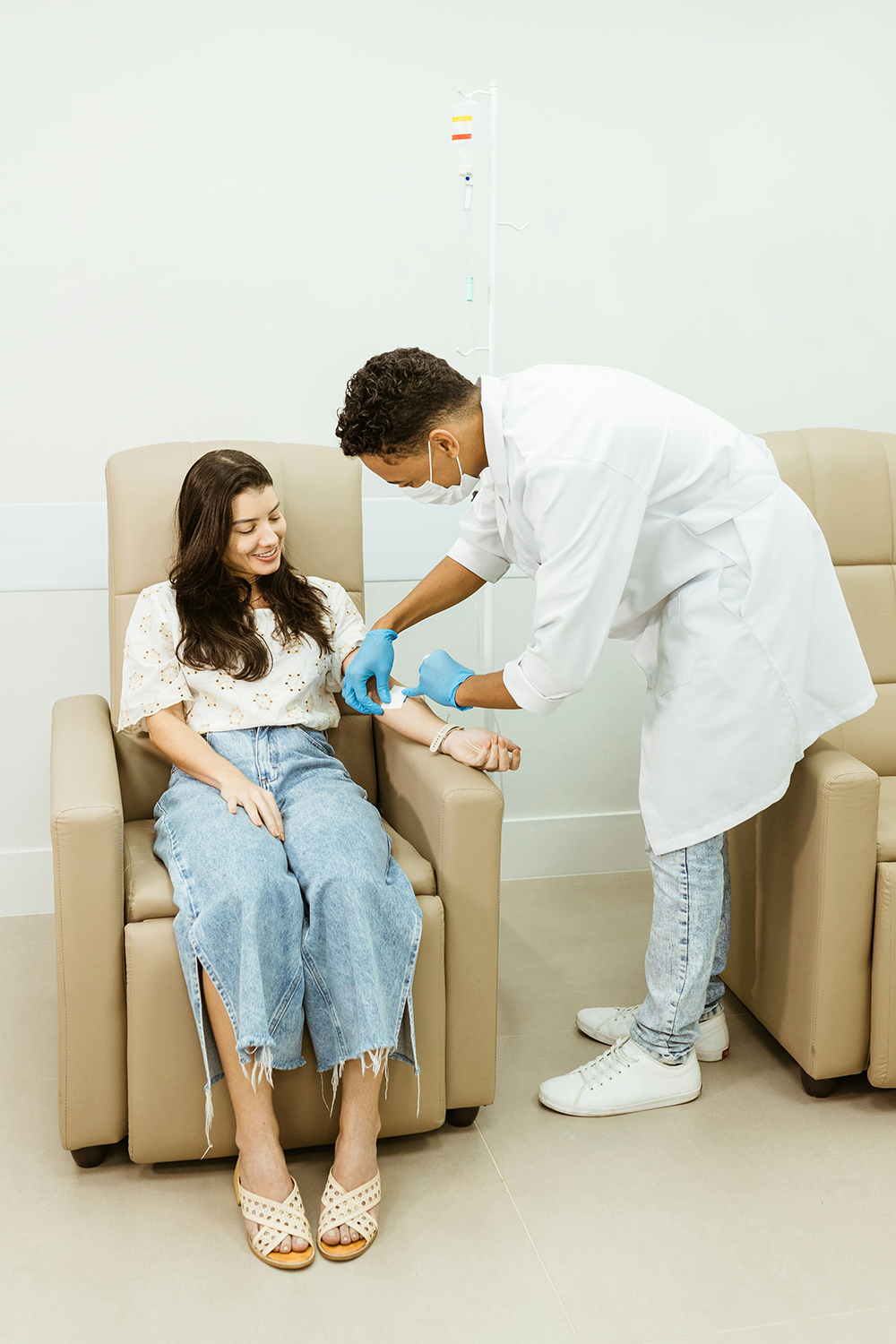
Infusion Center
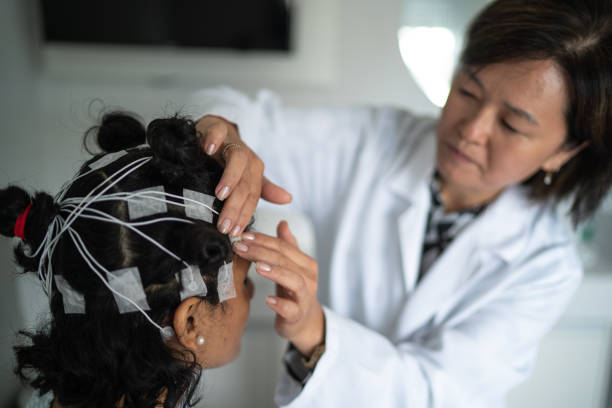
EEG / Diagnostic Testing — Overview
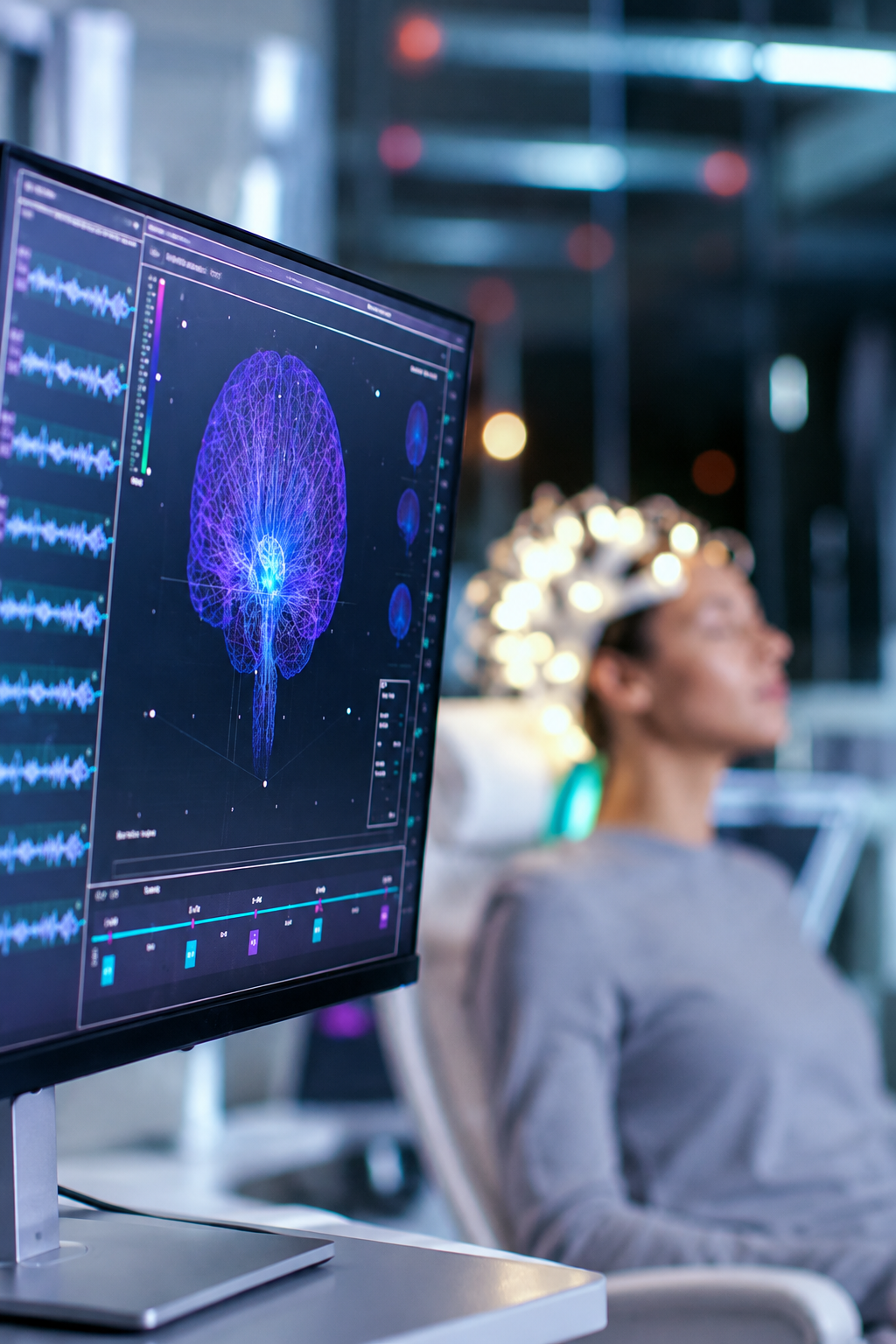
An Electroencephalogram (EEG) is a test used to assess your brain’s activity for the risk of seizures. The test is done by placing small sensors (electrodes) on your scalp with sticky gel or glue for at-home studies. We do not shave your head, and the glue can be removed. These sensors listen to the electrical activity of the brain; they do not send electricity to your brain and do not hurt. A computer converts this signal into a pattern for the clinical team to review.
An EEG can be done as a routine test before your clinical visit or when convenient for you. In some instances, testing can be done overnight in our office or in your home for up to four days.
At-home EEGs require the sensors to remain glued in place and may require adjustment in our office during the study.
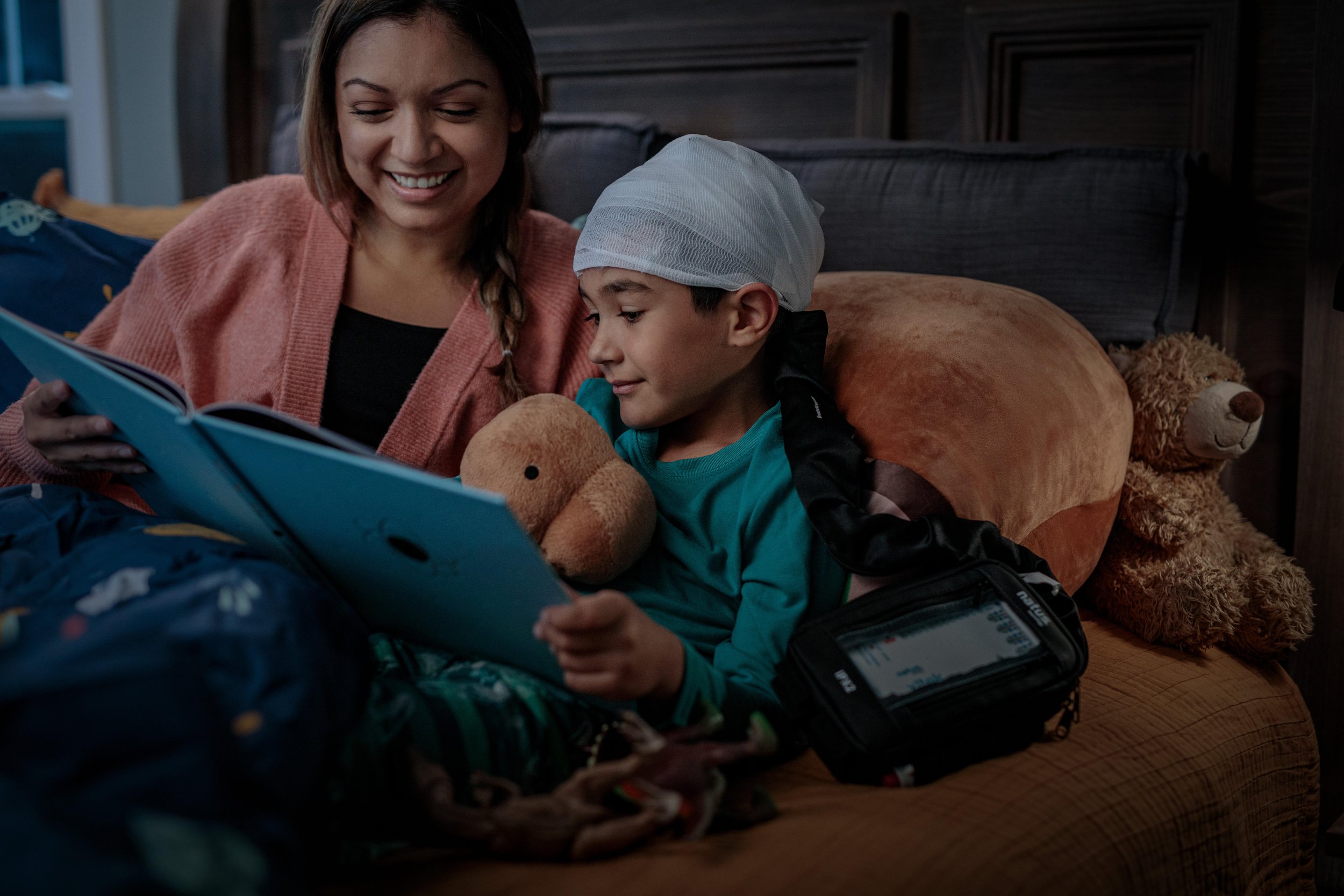
Image courtesy of Natus Medical Incorporated, natus.com
EEG / Diagnostic Testing — Clinical Context
The first step in evaluating the possibility of seizures is to order an EEG. Though many people know seizures as “grand mal” or large shaking seizures, seizures can also be subtle, such as abnormal smells/tastes, slight movements, or memory impairment.
KCNS provides EEG testing during the provider visit when appropriate so that, in addition to a full history and physical, testing can be available sooner rather than waiting weeks.
Longer in-office or at-home recordings may be recommended to assess seizure risk during sleep or to record multiple days of EEG data. At-home EEGs are actively monitored using EEG and video so the team can watch for serious events and monitor electrode quality. Patients may be asked to return to the office for electrode adjustments.
Sleep Testing
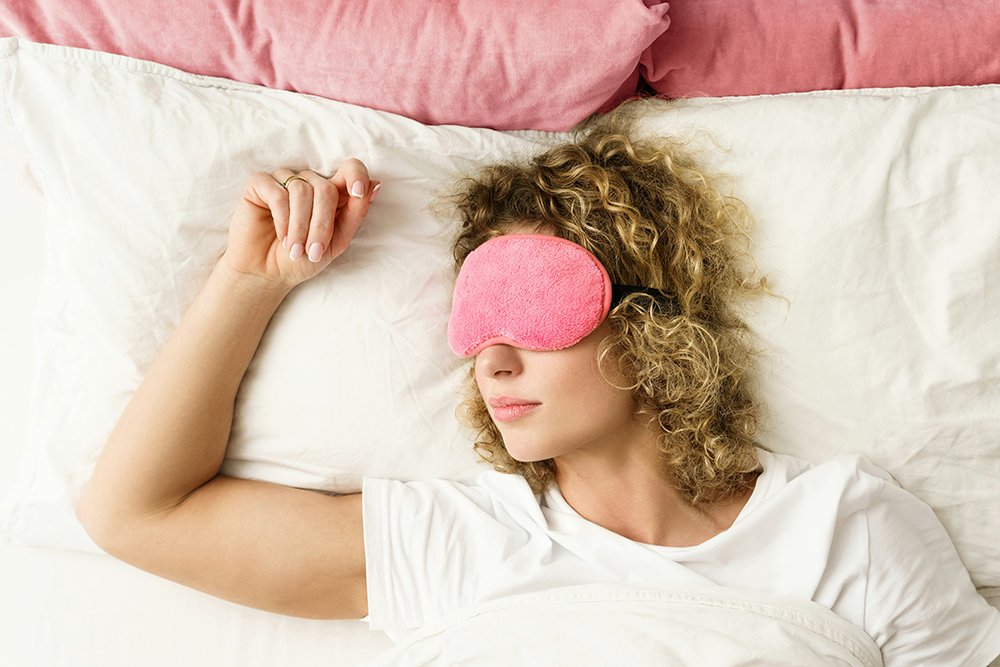
Sleep Lab Study: During this test in the sleep lab, the patient works with a sleep technician who connects multiple sensors that monitor breathing, oxygen level, heart rate, brain waves and movement while the patient sleeps. When indicated, appropriate treatment may also be initiated and optimized.
Home Sleep Apnea Test: A test completed in the comfort of the patient's home that monitors breathing, oxygen level and heart rate. When indicated, appropriate treatment may also be initiated and optimized.
what to expect
-
Avoid caffeine (coffee, tea, soda, chocolate) in the afternoon and evening before the test.
Avoid alcohol the day of the test.
Do not take a nap the day of the test.
Do not use lotions, hair gels, oils, or makeup, as these keep the sensors from sticking properly.
Wash your hair and skip conditioner the day of the test.
Bring your own comfortable pajamas and toiletries.
Bring a list of your medicines. If you normally take sleep or other medicines, ask your provider ahead of time whether to take them as usual
-
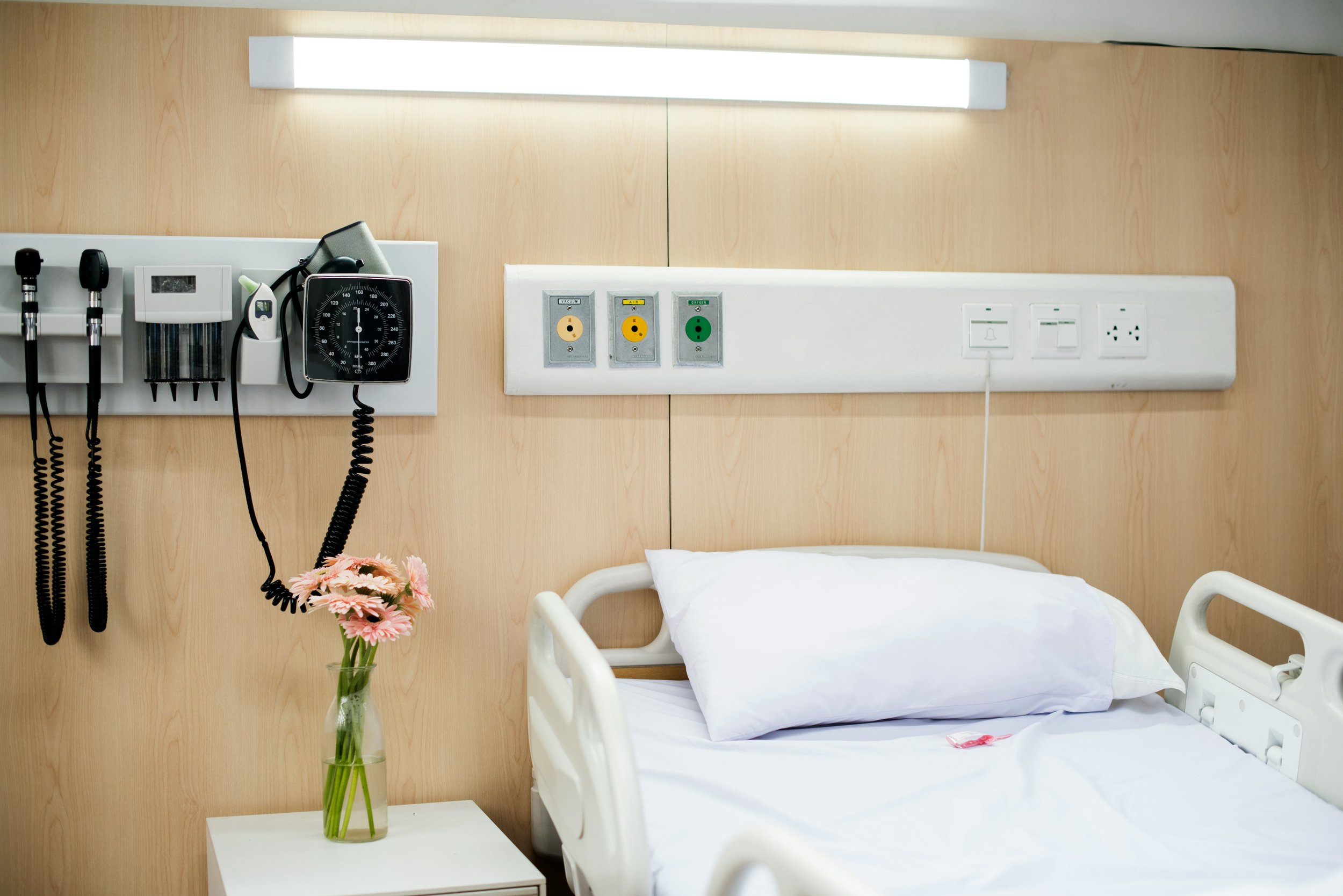
You will usually arrive in the evening and settle into your room. A technologist will explain everything and answer your questions. Before bed, they will gently attach small sensors to your body. This setup usually takes 30 to 60 minutes.
-
Once the sensors are in place, the lights go out and you try to sleep normally. A trained technologist monitors you all night from another room. If you need to use the bathroom or need help, you can simply speak out loud or call for the technologist, who will come and briefly disconnect you.
It is normal to worry that you won't be able to sleep with the sensors on. Most people sleep enough for the test to be useful, even if it doesn't feel like your best night's sleep. You do not need to sleep a full night for the study to work.
-
The sensors are placed with mild adhesive or soft elastic bands and are painless. They typically include:
Small patches (electrodes) on your scalp, forehead, and near your eyes and chin to record brain waves and sleep stages.
Patches on your chest to record your heart rhythm. Soft elastic belts around your chest and belly to measure your breathing.
A small sensor near your nose and mouth to measure airflow.
A soft clip on your finger to measure your blood oxygen.
Patches on your legs to record movement.
The wires are long enough to let you turn over and move during the night. There is a low-light video camera and a microphone so the technologist can watch for movement and snoring and help you if needed.
-
The technologist will wake you, remove the sensors, and you can wash off any leftover adhesive. There are no lasting effects, and you can return to your normal activities and drive home. You may be asked to fill out a short questionnaire about how you slept.
-
A sleep specialist reviews the overnight recording in detail, which takes time. Your provider will discuss the results with you at a follow-up visit and explain any recommended treatment.
-
Description text goes here
-
Take evening medication as directed
Multiple sclerosis
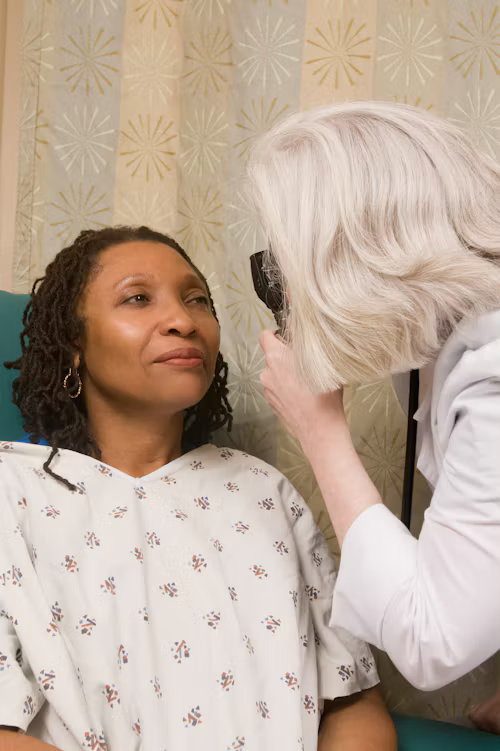
Multiple sclerosis is an inflammatory response within the brain and spinal cord which can impact muscle strength, sensation and vision, among many other symptoms. However, patients need more than just a diagnosis. At KCNS, we know that treating Multiple Sclerosis means more than managing a diagnosis. We take time to understand your treatment goals and what matters most to you. We believe in providing ongoing support and scheduling follow-up visits when you need them. At KCNS you will have a dedicated team of physicians, nurses and medical assistants who are a part of your care from your initial visit through each of your treatments and beyond.

Alzheimer’s & Cognitive Care
Alzheimer’s Dementia (AD) is the most common cause of progressive memory loss. Symptoms of memory loss often involve impaired short-term recall and difficulty with names. Symptoms often present years after changes in the brain have already started to occur. Fortunately, as our understanding of AD continues to grow, treatment now exists that can significantly slow disease progression when started in the early stages. At KCNS we are dedicated to see patients shortly after a referral is placed to expedite care and ensure that if a patient is able to receive infusion care, dose so as soon as possible.

Procedure Preparation / Aftercare
For a patient’s first procedure, it is helpful to have a driver available. Some injections can be uncomfortable, and having someone available to drive the patient home is helpful.
After a nerve block, patients may resume normal activities. If painful, over-the-counter medication, ice, heat or massage may be used.
After Botox injections, we recommend a restful day and avoiding a hot shower, exercising/sweating, and touching or rubbing the face on the day of treatment.
Headache / Migraine Procedures
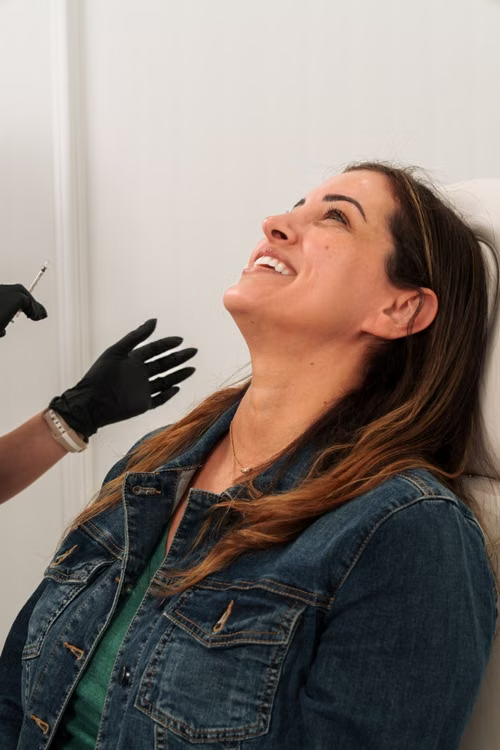
Botox Injection: Neuromodulators such as Botox are FDA-approved treatments for chronic migraine and may reduce the number and severity of headaches per month.
TMJ Botox Injection: A neuromodulator such as Botox is provided in the temporal and jaw muscles to reduce tension in these areas, which can reduce jaw pain related to clenching.
Peripheral Facial Nerve Block: Anesthetic injections such as lidocaine are provided at sites near nerves in the face/scalp, including occipital, supraorbital, supratrochlear and auriculotemporal nerves. This may be used to assist in treatment of refractory migraine, cluster headaches or occipital neuralgia.
Trigger Point Injection: An anesthetic injection is provided into a painful muscle of the shoulder or neck that can radiate pain to the head and contribute to migraine/headache. The procedure is intended to disrupt abnormal muscle activity, help the muscle relax and reduce pain signaling.
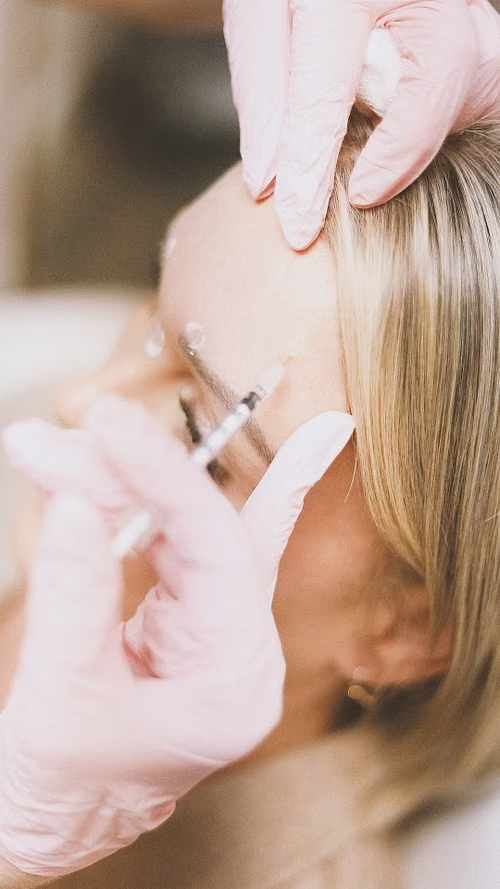
Neuromodulators | Botox
Cosmetic Neuromodulators, such as Botox, are intended for patients who wish to help prevent or reduce facial wrinkles. Cosmetic Botox is not covered by insurance and is paid out of pocket per unit.
Patients should contact the office to schedule an initial evaluation and obtain pricing details.
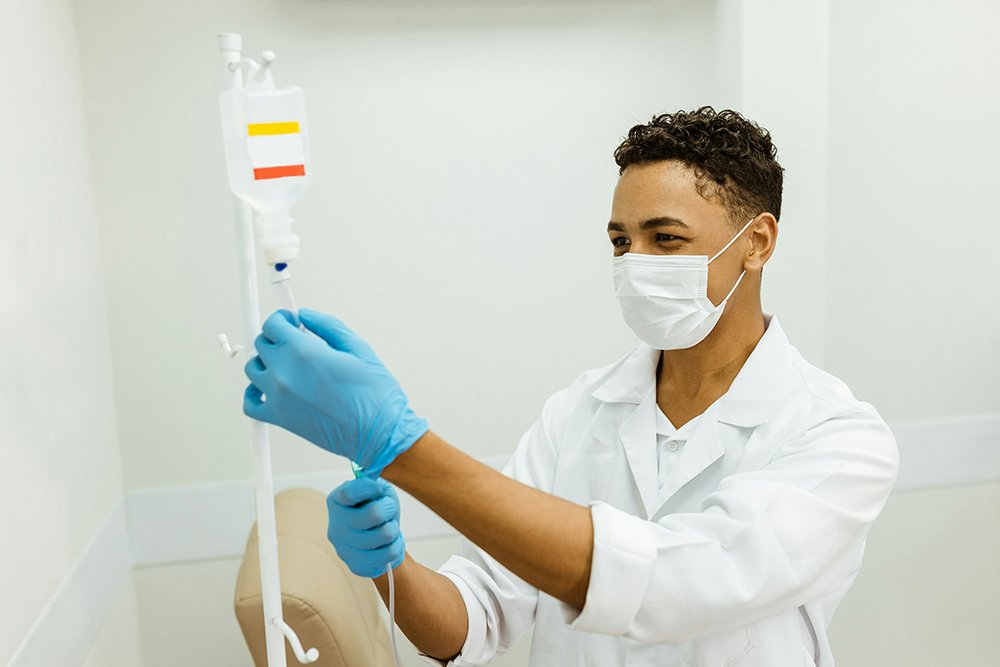
Infusion Center
Infusion treatments are offered for migraine prevention or acute abortive care, Alzheimer’s dementia and Multiple Sclerosis. Each medication has different requirements, and the office will discuss the expected appointment length before the infusion.
The team will work with the patient’s insurance to ensure prior authorizations are in order before the infusion.
At KCNS, infusions occur within the clinic so patients can see familiar staff who know their medical history. Patients must have a designated driver following infusion therapy.
Patients will be provided with an iPad and headphones to enjoy their favorite shows, movies and other content. However, KCNS also encourages patients to use this time to get to know one another. At KCNS, we feel that community is paramount to health and wellness.

Infusion therapies
Briumvi (ublituximab)
Kisunla (donanemab-azbt)
Leqembi (lecanemab-irmb)
Ocrevus® (ocrelizumab)
Rituxan (rituximab)
Steroid infusions
Tysabri® (natalizumab)
Vyepti (eptinezumab-jjmr)
Additional therapies based on physician recommendation and individual treatment plan
Office
5835 Venture Park Dr.
Kalamazoo, MI 49009
Approximately 1/2 mile west of US-131, just off Stadium, behind DeNooyer Chevrolet
Parking
Easily accessible parking is available in front of the office


Hours
Monday–Friday
8PM to 5PM - Office hours